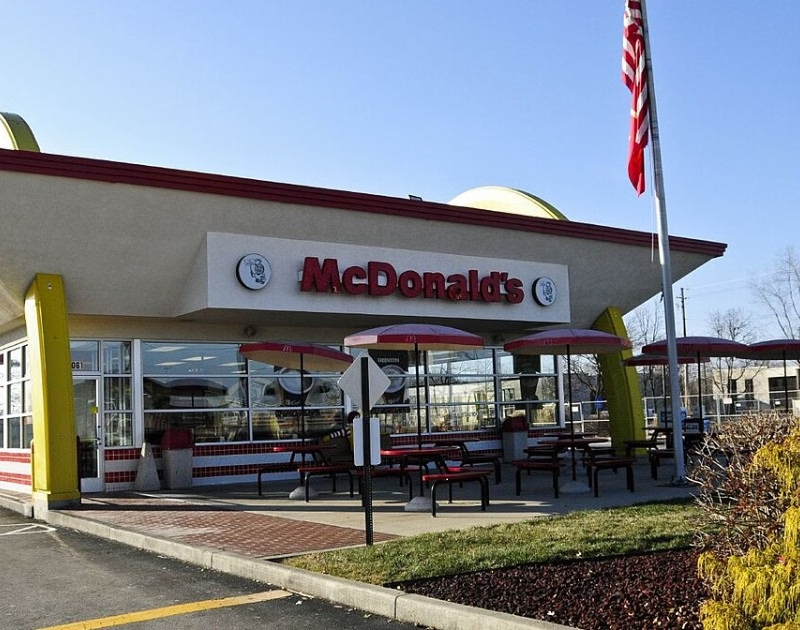
The McDonald’s data breach is the latest security scare for the fast-food giant. A hacking group calling itself Inception says it stole 293GB of data from McDonald’s cloud storage and internal tools. McDonald’s has not confirmed the claim, so everything below is what the attackers say, not verified fact.
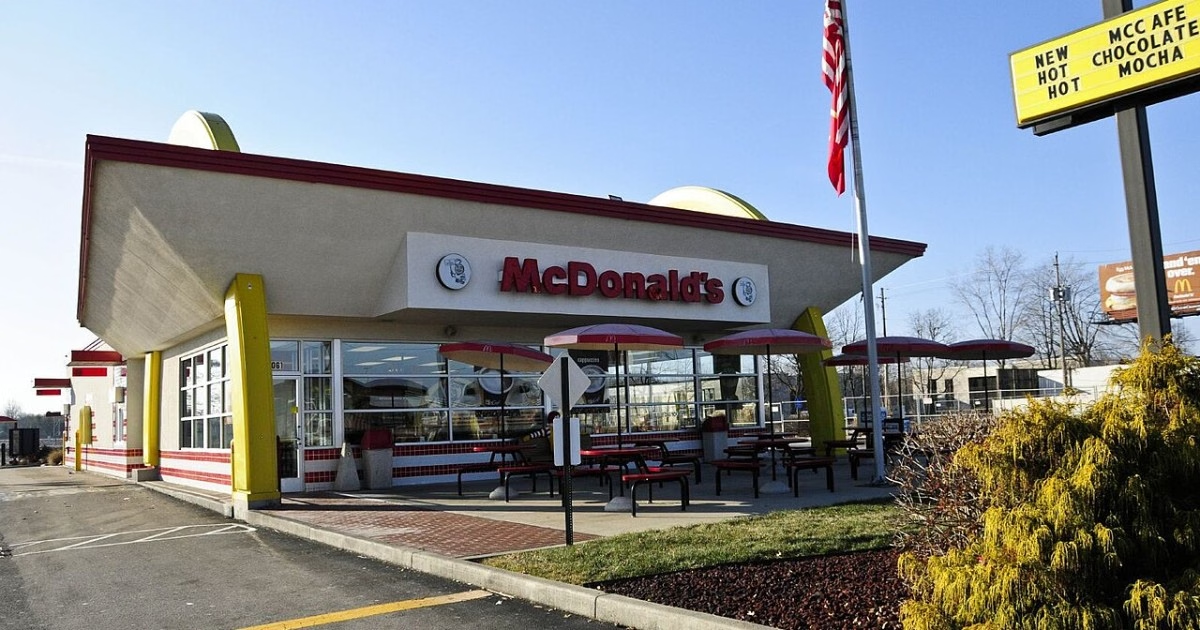
Cybernews first reported the claim and has asked McDonald’s for comment.
What the hackers claim about the McDonald’s data breach
Inception has listed McDonald’s on its dark web leak site. The group says it holds 605,230 files totaling 293GB. According to the gang, the files came from several places:
- Amazon Web Services (AWS) S3 storage buckets
- GitHub code repositories
- Confluence documentation spaces
- Jira project-tracking boards
The hackers also say they collected 938,667 unique email addresses, and that roughly 370,000 of them belong to McDonald’s employees. The hackers have not published any sample files, so nobody outside the group can verify these numbers yet.
What customer information may be exposed
For customers, Inception says the stolen records include:
- Names, email addresses and phone numbers
- Dates of birth
- Loyalty program IDs
- Partial payment card details: last four digits, card type, expiration date and billing ZIP code
- Payment account number (PAN) tokens
- Prepaid and gift card records
Full card numbers are not part of that list. Even so, this mix of details is valuable to scammers.
Why the McDonald’s data breach raises phishing risk
A phishing email is far more convincing when it already knows who you are. A message that quotes your real name, loyalty ID and the last four digits of your card can easily pass for a genuine company email. That makes people more likely to click a malicious link or hand over more information.
The attackers have also set a deadline. They say they will release the files unless McDonald’s contacts them within 24 hours, a common pressure tactic in extortion-style leak-site attacks.
Earlier security incidents at McDonald’s
This is not the first time the chain has appeared in security news:
- Early 2026: The Everest ransomware gang claimed it stole 861GB from McDonald’s India, including customer, employee and financial records.
- August 2026: A seller calling itself “TheHatman” advertised stolen Azure directory data, claiming 1.7 million records tied to McDonald’s.
- September 2026: Researchers found an exposed McDonald’s Indonesia database with more than 40 million records, including about 28 million customer records.
- 2025: Researchers accessed the McHire recruiting platform using the default password “123456”, potentially exposing up to 64 million job applications.
How to protect yourself after the McDonald’s data breach
Whether or not the claim is confirmed, a few precautions are sensible:
- Be suspicious of any email or text that mentions your McDonald’s account or loyalty ID, even if the personal details look accurate.
- Do not click links in unexpected messages. Open the official app or website yourself instead.
- Use a unique password for your McDonald’s account and turn on two-factor authentication if it is offered.
- Check your card statements for charges you do not recognize.
- Watch for an official statement from McDonald’s about whether the breach happened and who it affected.
For another recent example of how attackers go after organizations, read our explainer on the Drupal vulnerability CVE-2026-136716.
Bottom line
The McDonald’s data breach is still an unverified claim. Until the company responds or the hackers release proof, the safest move is to stay alert for phishing and keep your account secured. We will update this article when McDonald’s confirms or denies the incident.