Every year, dozens of new gadgets promise to change our lives. Most of them add more features, bigger screens, and more notifications. But sometimes, a product stands out by doing the exact opposite.
That’s exactly why Google’s new Fitbit Air has caught my attention.
At first glance, Fitbit Air doesn’t look revolutionary. It isn’t introducing a brand-new category of devices. In fact, screenless health trackers have been around for years. Companies like Whoop and Amazfit have already proven that many people care more about health tracking than having another screen on their wrist.
What makes Fitbit Air different is that it combines powerful health tracking, AI-powered insights, long battery life, and an affordable price into a device that most people will actually want to wear every day.
And that is why it could become one of the most popular wearable devices of 2026.
Are Smartwatches Losing Their Appeal?
Let’s be honest. Most of us already spend enough time looking at screens. We have smartphones, laptops, tablets, and TVs competing for our attention throughout the day.
So do we really need another screen on our wrist? For many people, the answer is no.
One of the biggest complaints about smartwatches is battery life. Charging yet another device every day quickly becomes frustrating. On top of that, constant notifications on your wrist can become a distraction rather than a convenience.
This is where Fitbit Air takes a refreshing approach. There is no display. No endless notifications. No distractions. Its job is simple: track your health and help you improve it.
Small Device, Powerful Health Tracking
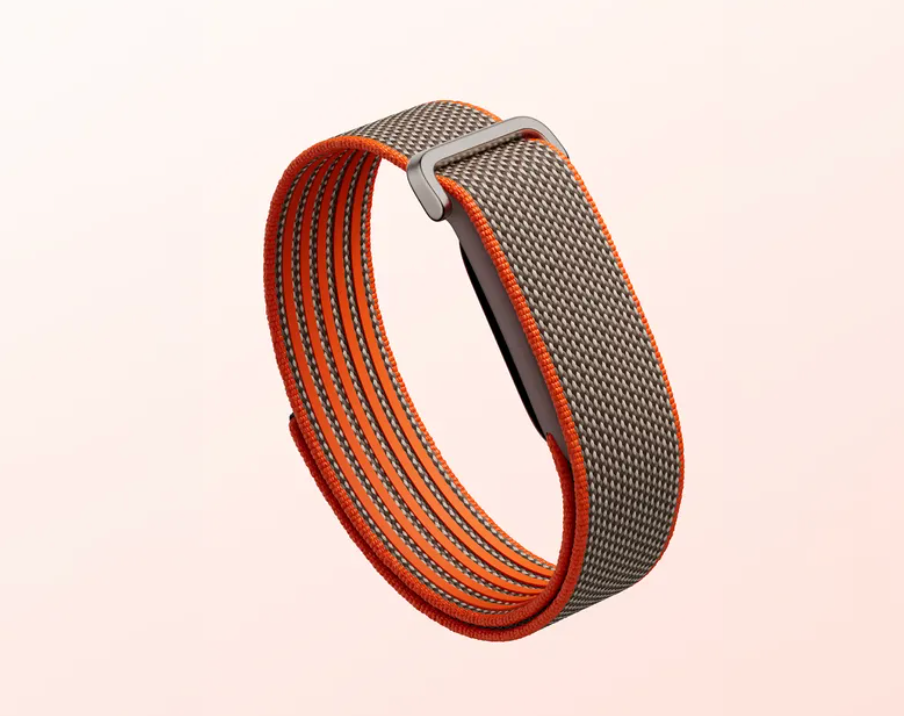
The first thing you’ll notice about Fitbit Air is how small it is. Because it doesn’t have a screen, the tracker is incredibly lightweight and comfortable. You can wear it all day and all night without even noticing it’s there.
Despite its compact size, Fitbit Air tracks almost everything most people care about, including:
- Sleep quality and sleep score
- Deep sleep and sleep interruptions
- Heart rate monitoring
- Resting heart rate
- Blood oxygen (SpO2) levels
- Daily activity tracking
- Step count
- Workout tracking
- Skin temperature
- Recovery insights
For the average user, that’s more than enough information to understand how their body is performing every day.
The Real Magic: Gemini AI + Health Data
Health trackers have been collecting data for years. The problem is that most people don’t know what to do with that data.
You open the app and see:
- 8,000 steps
- 7 hours of sleep
- 72 BPM heart rate
But what does it actually mean? This is where Google’s Gemini AI integration changes the experience completely.
Instead of simply showing numbers, Fitbit Air helps explain them. If your sleep quality drops, Gemini can tell you why it might have happened. If your activity level is lower than usual, it can suggest ways to improve it. If you’re trying to lose weight, Gemini can guide you toward your calorie and activity goals. It can even use weather information to recommend the best time for a walk, run, or workout.
The experience feels less like using a fitness tracker and more like having a personal health coach available 24/7.
A Week of Battery Life
Another area where Fitbit Air shines is battery life. Google claims up to seven days of usage on a single charge. Even with heavy use, most people should easily get five to six days.
That means charging once a week instead of every night. For anyone tired of constantly charging their smartwatch, this alone could be a major selling point.
Useful Features Beyond Health Tracking
Fitbit Air also includes several practical features that make everyday use easier. You get:
- Silent vibration alarms
- Water resistance up to 5 ATM
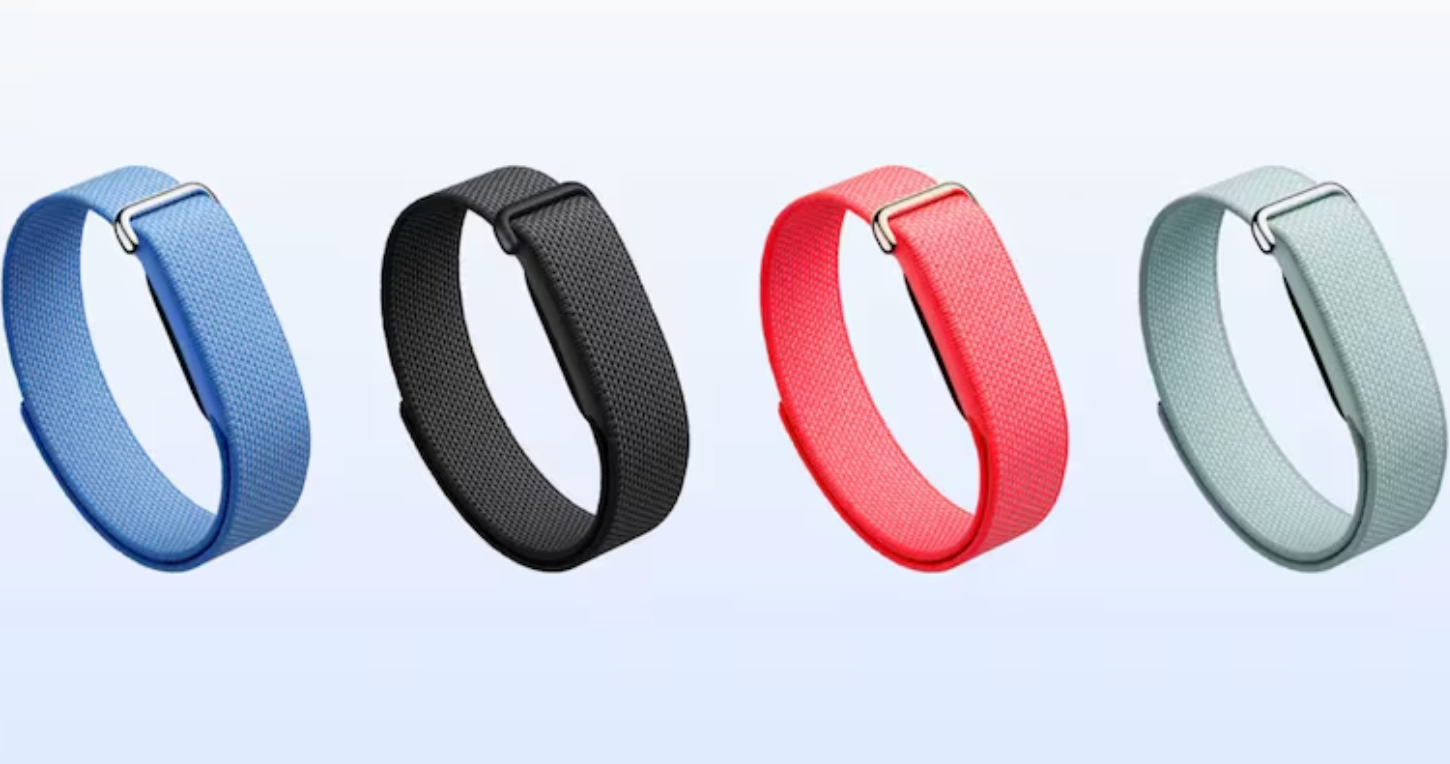
- Multiple band options and colors
- Comfortable all-day wear
- Easy band replacement
Since there is no screen, you can even continue wearing your favorite traditional watch while using Fitbit Air for health tracking.
Affordable Compared to Premium Alternatives
One reason many people are calling Fitbit Air a potential “Whoop killer” is its pricing. The device costs $99.99 in the US and ₹13,999 in India, where it goes on sale from October 2, 2026 on Flipkart, Croma and Reliance Digital, making it much more affordable than many premium health trackers.
Some features, including Gemini-powered coaching and personal health insights, need a separate Google Health Premium subscription. Google has not yet confirmed its price in India.
Considering the health data, AI-powered coaching, and battery life you get, Fitbit Air offers impressive value for money.
Why Fitbit Air Could Be One of the Best Wearables of 2026
Technology doesn’t always need more screens, more apps, or more complexity. Sometimes the best products are the ones that quietly solve a problem.
Fitbit Air focuses on what most people actually want: better health insights, longer battery life, less distraction, and useful guidance powered by AI.
For fitness enthusiasts, busy professionals, and anyone looking to improve their health without adding another screen to their life, Google’s Fitbit Air could be one of the smartest wearable devices to launch in 2026.
If current trends continue, we may be entering a future where traditional smartwatches become less important, while intelligent health trackers like Fitbit Air become the devices people wear every day.
And honestly, that future makes a lot of sense.