Texas sues OpenAI over ChatGPT safety, and the case matters to the millions of students and professionals who use ChatGPT every day, including a huge number in India. But how safe is it, especially for teenagers? That question has now reached a courtroom in the United States.
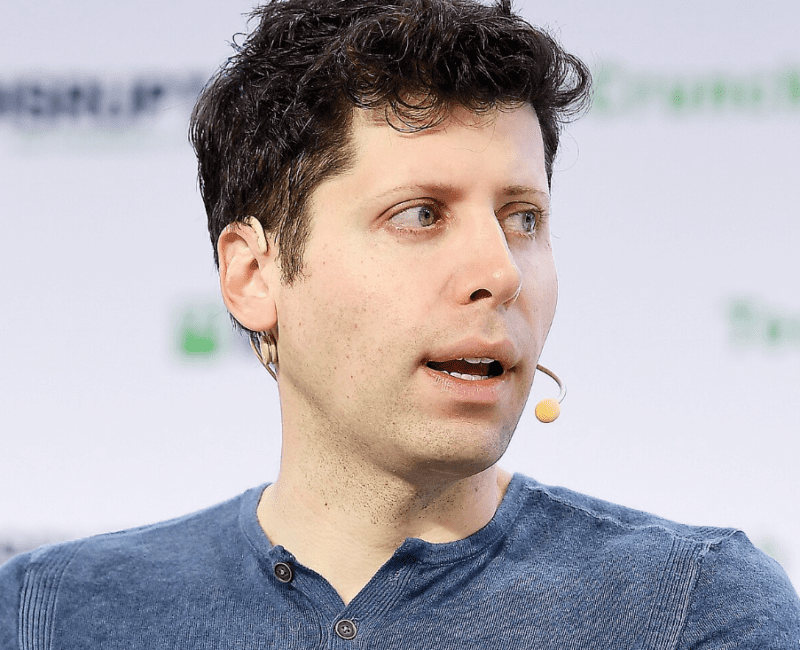
On Friday, 23 October 2026, Texas Attorney General Ken Paxton filed a lawsuit against OpenAI and its CEO Sam Altman. Texas says the company misled people about how safe and reliable ChatGPT is, and did not do enough to protect children.
Let’s break it down in simple words: what the case says, what Texas wants, what OpenAI has said about safety, and what you should do as a user or parent.
What happened when Texas sues OpenAI?
Texas filed the lawsuit in Collin County, Texas. According to Courthouse News, the petition is about 67 pages long. It names OpenAI (reportedly six OpenAI company entities) and Sam Altman personally.
Why name the CEO personally? Texas alleges that Altman directed the company’s conduct and made misleading public statements about its products. So the state wants to hold him responsible too, not just the company.
Remember: these are allegations. A lawsuit is one side’s claim. Nobody has proven anything in court yet.
Which laws does Texas say OpenAI broke?
Here is what the law says now that Texas sues OpenAI. Two Texas laws form the basis of the case:
- Deceptive Trade Practices–Consumer Protection Act (DTPA): This is a consumer protection law. It stops companies from misleading customers. Texas says OpenAI marketed ChatGPT as safe, accurate and reliable when it allegedly was not.
- SCOPE Act (Securing Children Online through Parental Empowerment): A newer Texas law about children online. It requires things like age verification, parental consent and parental tools to control a child’s data and advertising.
What are the main allegations as Texas sues OpenAI?
Based on reports from Courthouse News, WBAP and The Texan, the lawsuit alleges that:
- OpenAI released ChatGPT without enough age verification, parental controls or safety testing.
- Users were not properly warned that the chatbot can give harmful or wrong answers.
- Altman reportedly overruled employees who wanted more safety testing before the GPT-4o release.
- The chatbot allegedly copied human-like care and emotion, which Texas says encouraged teens to share data and keep chatting.
- It allegedly contributed to serious harms among young users, including addiction-like use and self-harm. The petition points to other lawsuits involving teenagers and young adults.
- Texas also points to at least eight cases where people allegedly committed violent acts after consulting ChatGPT, and raises security concerns.
Jonathan Stone, head of the Texas consumer protection division, reportedly wrote that the design was “at very best… reckless, and at worst it is willful.”
What does Texas want when it sues OpenAI?
This is the part that makes the case unusual. According to WBAP, Texas is asking for:
- An order blocking minors in Texas from using ChatGPT.
- A court-approved independent evaluator who must review safety protections and approve new AI models before OpenAI releases them to Texas users.
- Limits on features that encourage compulsive use or falsely appear to have human emotions.
- Civil penalties of up to $10,000 per violation, more than $1 million in monetary relief, and legal costs.
- A jury trial.
Think about the second point. If a court has to approve each new model before launch, that is like a “pre-launch exam” for AI. Chatbots have rarely, if ever, faced this kind of approval step, so other governments will be watching closely.
What has OpenAI said since Texas sues OpenAI?
Early reports said OpenAI had not responded directly to the lawsuit. However, OpenAI has publicly pointed to its safety work, as reported by WBAP:
- Parental controls launched in September 2025, including linking a parent’s account to a teen’s account, “quiet hours” and feature controls. OpenAI admits users can bypass these controls.
- ChatGPT for Teens, announced on 18 August 2026, with extra protections for users aged 13–17 or those estimated to be under 18.
- It says it works with experts on safety and supports industry-wide AI safety standards.
The political angle
The political angle matters because Texas sues OpenAI in an election-sensitive year. Courthouse News noted that, a week before the filing, campaign finance records showed Elon Musk, a well-known rival of Altman, spent nearly $200 million on ads supporting Paxton’s US Senate campaign. This does not prove anything about the case itself, but it is useful context to understand why some people see the lawsuit through a political lens.
Why should Indian readers care?
Indian readers should watch the case because Texas sues OpenAI over a product used worldwide. This is a Texas case, but the issues are global:
- India has a very large young user base for AI chatbots. Questions about age checks and teen safety apply here too.
- India’s DPDP Act already says that processing a child’s (under 18) personal data needs verifiable parental consent. That is similar in spirit to Texas’s SCOPE Act.
- The Indian government has also reportedly been working on new rules for AI and deepfakes. Cases like this one shape how regulators everywhere think.
- If the court forces stricter rules, companies may roll out similar safety features worldwide, because it is easier to build one system for everyone.
What should you do while Texas sues OpenAI?
Whatever the court decides after Texas sues OpenAI, these habits protect you today.
- Treat AI answers as a starting point, not the final truth. Cross-check facts, especially for health, money, law and exams.
- Parents: Turn on parental controls or teen modes where available, and talk openly with children about how they use chatbots.
- Remember a chatbot is not a person. It can sound caring, but it is software. For emotional problems, talk to a trusted person or a professional.
- Protect your data. Avoid sharing Aadhaar numbers, bank details, passwords or very personal information in chats.
- Set limits. If you notice you or your child chatting for hours, take breaks and set screen-time goals.
If you or someone you know is going through a difficult time, please reach out. In India, you can call the government’s Tele-MANAS mental health helpline at 14416.
Key takeaways: Texas sues OpenAI
- Texas sued OpenAI and Sam Altman on 23 October 2026 in Collin County.
- The claims are under the Texas DTPA (consumer protection) and the SCOPE Act (children online).
- Texas wants a ban on ChatGPT for minors in Texas and court-approved checks before new models launch.
- OpenAI points to its parental controls (Sept 2025) and ChatGPT for Teens (Aug 2026).
- All claims are allegations until a court decides.
FAQ: Texas sues OpenAI
Q1. Is ChatGPT banned in Texas now?
No. Texas has only asked the court to block minors. Nothing changes unless a court orders it.
Q2. Does this affect ChatGPT users in India?
Not directly. It is a Texas state case. But it may push OpenAI and other AI firms to improve teen safety features worldwide.
Q3. Why is Sam Altman sued personally?
Texas alleges he directed the company’s decisions and made misleading statements about its products.
Q4. What is the SCOPE Act?
A Texas law on children’s online safety that requires age checks, parental consent and parental tools over a child’s data and ads.
Q5. Does ChatGPT have parental controls?
Yes. OpenAI launched them in September 2025 and announced ChatGPT for Teens in August 2026, though it admits the controls can be bypassed.
Related reading: see how AI is reshaping jobs at Microsoft and why Satya Nadella wants an AI emergency brake.